All you need to know in one place
On May 29, 2026, the Office of Management and Budget (OMB) proposed sweeping revisions to the rules that govern how federal grant dollars flow to nonprofits, as well as to state and local governments and tribal nations.
The OMB Uniform Guidance is the foundational rulebook for federal grantmaking. It governs everything from how nonprofits recover their overhead costs to how federal agencies structure grant announcements. For the tens of thousands of nonprofits that partner with the federal government to deliver services in communities across the country, these rules are the operating conditions that determine whether those partnerships are viable.
It is time for The Nonprofit Alliance’s Annual Membership Campaign! This year, we are talking about claiming your own seat at the table as we rally around our 2026 mission to “Protect Our Purpose.”
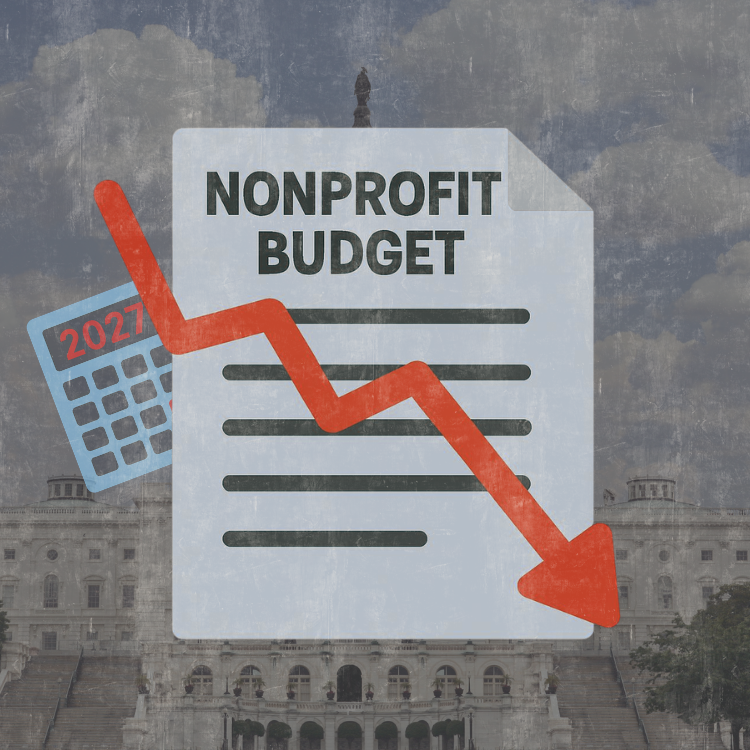
On Friday, April 2, President Trump submitted his Fiscal Year 2027 budget request to Congress. While this document is a formal submission of the administration’s priorities, it does not reflect what Congress may ultimately approve. And the Department of Homeland Security (DHS) Fiscal Year 2026 remains unresolved, which adds another hurdle to a complicated appropriations process during a midterm election year.
The nonprofit sector is facing one of its most challenging political climates in recent memory. The current administration, building on earlier threats to 501(c)(3) status, is proposing—and in some cases, implementing—changes that could restrict speech, cut funding, increase scrutiny of nonprofit programming, and limit fundraising opportunities. Amid these headwinds, new opportunities for visibility and advocacy are emerging regarding both the challenges and opportunities facing charitable organizations.
The Nonprofit Alliance (TNPA) was proud to engage with policymakers regarding important legislative and policy moments in 2025. As we move into 2026, a midterm election year, it is an important time to reflect on some of the key policy moments for the nonprofit sector, highlighting both successes and challenges. We remain grateful to TNPA members for their support of our advocacy engagement and for sharing their individual and organizational perspectives to help shape our work.
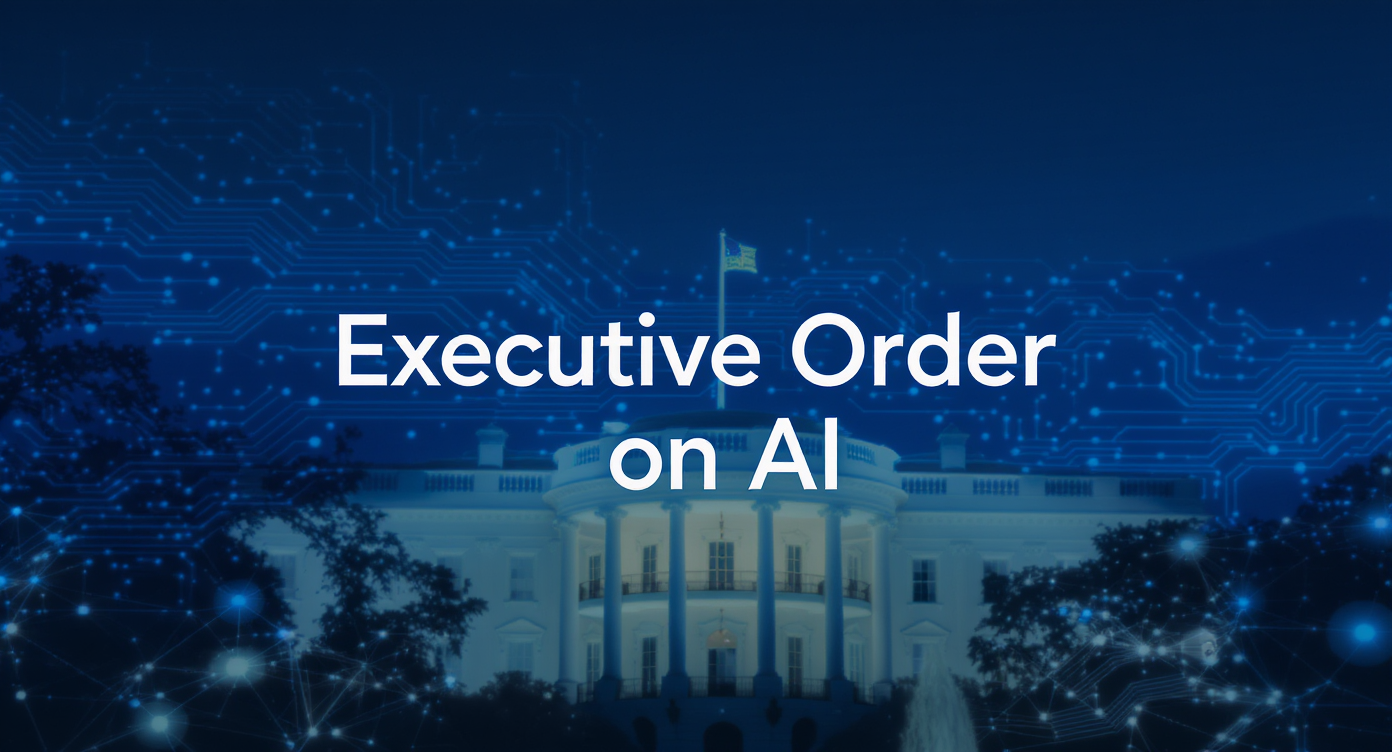
The Nonprofit Alliance (TNPA) reviewed the Trump administration’s December 11, 2025, Executive Order (EO), Ensuring a National Policy Framework for Artificial Intelligence. As expected, the EO lays out several new initiatives that will create bureaucratic roadblocks for AI regulation, building on the January Executive Order and July AI action plan, which included language regarding possible retaliation towards states that regulate AI and pushed for a general lack of AI oversight.
The Nonprofit Alliance (TNPA) welcomed the end of the 43-day government shutdown on November 12, 2025, the longest shutdown in U.S. history. The funding agreement, which included a minibus and a continuing resolution (CR) through January 30, 2026, is unfortunately a band-aid on broader funding challenges and undermines Congressional authority to authorize and appropriate funding.
The Senate Judiciary Committee's formal questions submitted to the Gates Foundation, Rockefeller Brothers Fund, and Ford Foundation over their...
We are in another government shutdown, and its implications for the nonprofit sector are particularly concerning this time around.
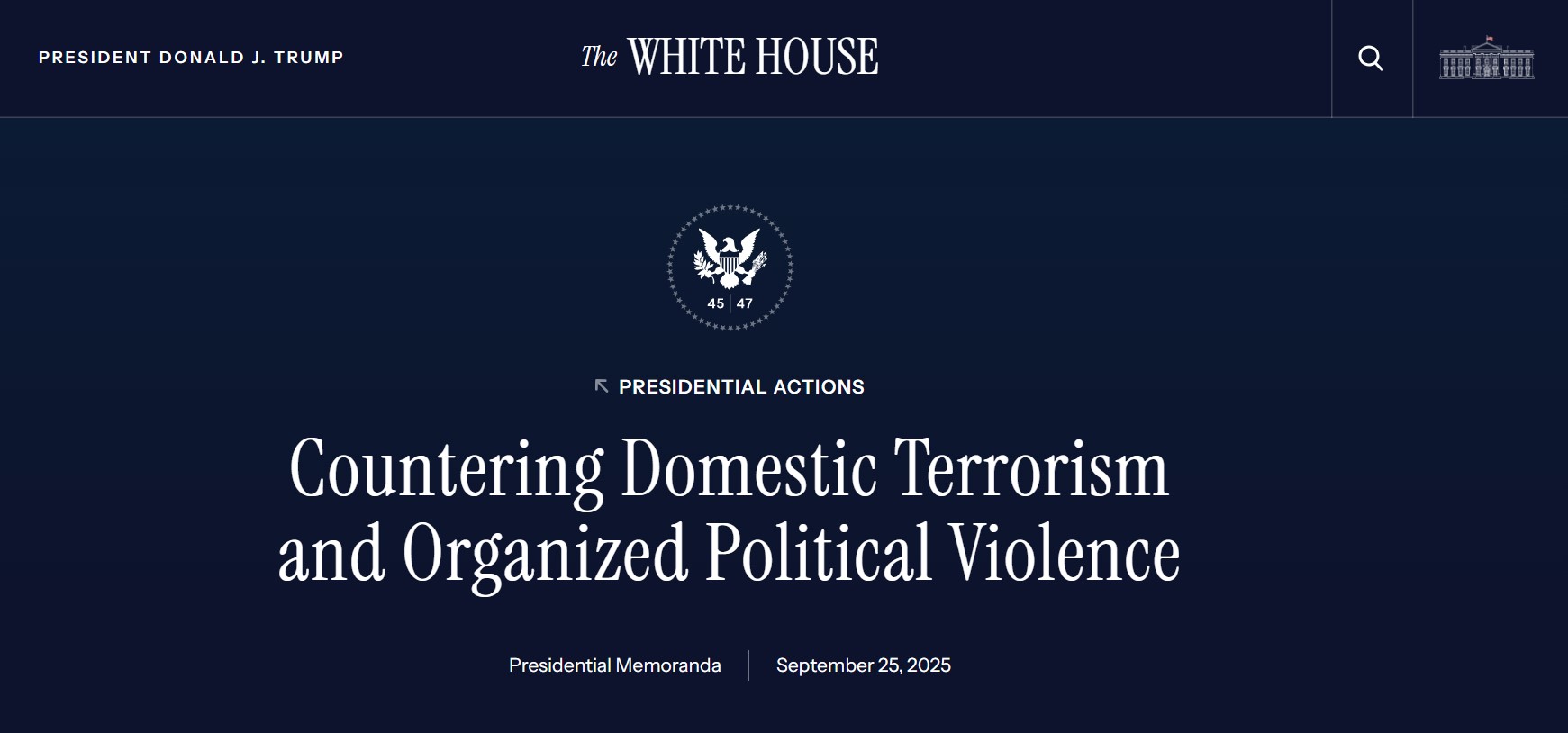
This Presidential Memorandum, while ostensibly focused on public safety and criminal justice, contains elements that could have far-reaching implications for tax-exempt organizations across the country.