
The Government Shutdown’s Impact Will Continue for Nonprofits
The Nonprofit Alliance (TNPA) welcomed the end of the 43-day government shutdown on November 12, 2025, the longest shutdown in U.S. history. The funding agreement, which included a minibus and a continuing resolution (CR) through January 30, 2026, is unfortunately a band-aid on broader funding challenges and undermines Congressional authority to authorize and appropriate funding.
Government responsibilities don’t work like a light switch that can easily be turned back on. This government shutdown will have bureaucratic ramifications for the nonprofit sector for the coming weeks and months, from grant approval and processing delays to funding delivery delays that will eat into the already stretched reserves for many in the nonprofit sector. More broadly, the short-term CR also adds additional uncertainty to the remainder of Fiscal Year 2026 past January 30, 2026.
As TNPA previously raised, the government shutdown’s impact on the nonprofit sector was compounded by earlier funding slashes to the nonprofit sector. The series of funding cuts, along with future financial uncertainty from government funding sources and philanthropic organizations, hindered immediate and medium-term organizational planning for individual organizations. The Urban Institute released a new report in October, which detailed the impact of government funding cuts to the nonprofit sector, based on survey data collected earlier in 2025. The report highlighted that the impact was felt not only by organizations that accepted government funding but also by those that did not, given that additional service delivery expectations were needed to fill gaps.
While much of the focus during the government shutdown was rightly on immediate humanitarian needs, notably around food assistance and the Supplemental Nutrition Assistance Program (SNAP), it is an important time to also reiterate the scale and scope of the nonprofit sector’s contributions to our society. Some of this critical work may not be immediately visible in our daily life but they are foundational to our communities. Programs include lifesaving medical research, historical preservation, emergency disaster response, legal support services, animal welfare, visual and performing arts, health services, homeless shelter support, environmental protection, and educational training, among many other areas.
Unfounded programming questions and investigations into nonprofit activities by the White House and some Members of Congress add to the existing financial and staffing challenges for the nonprofit sector, as additional compliance investments and potential legal defense planning will likely need to be part of nonprofit organizational strategic planning. Many smaller nonprofit organizations will struggle to find funding as their budget margins are tight and difficult decisions will need to be made that will cut into planned service delivery.
The Nonprofit Alliance (TNPA) will continue to advocate for consistent government funding for the nonprofit sector as well as respect for the sector’s independence.

Author: Ann Hollingsworth
Ann Hollingsworth is the VP, Government Affairs for The Nonprofit Alliance.
Related Posts
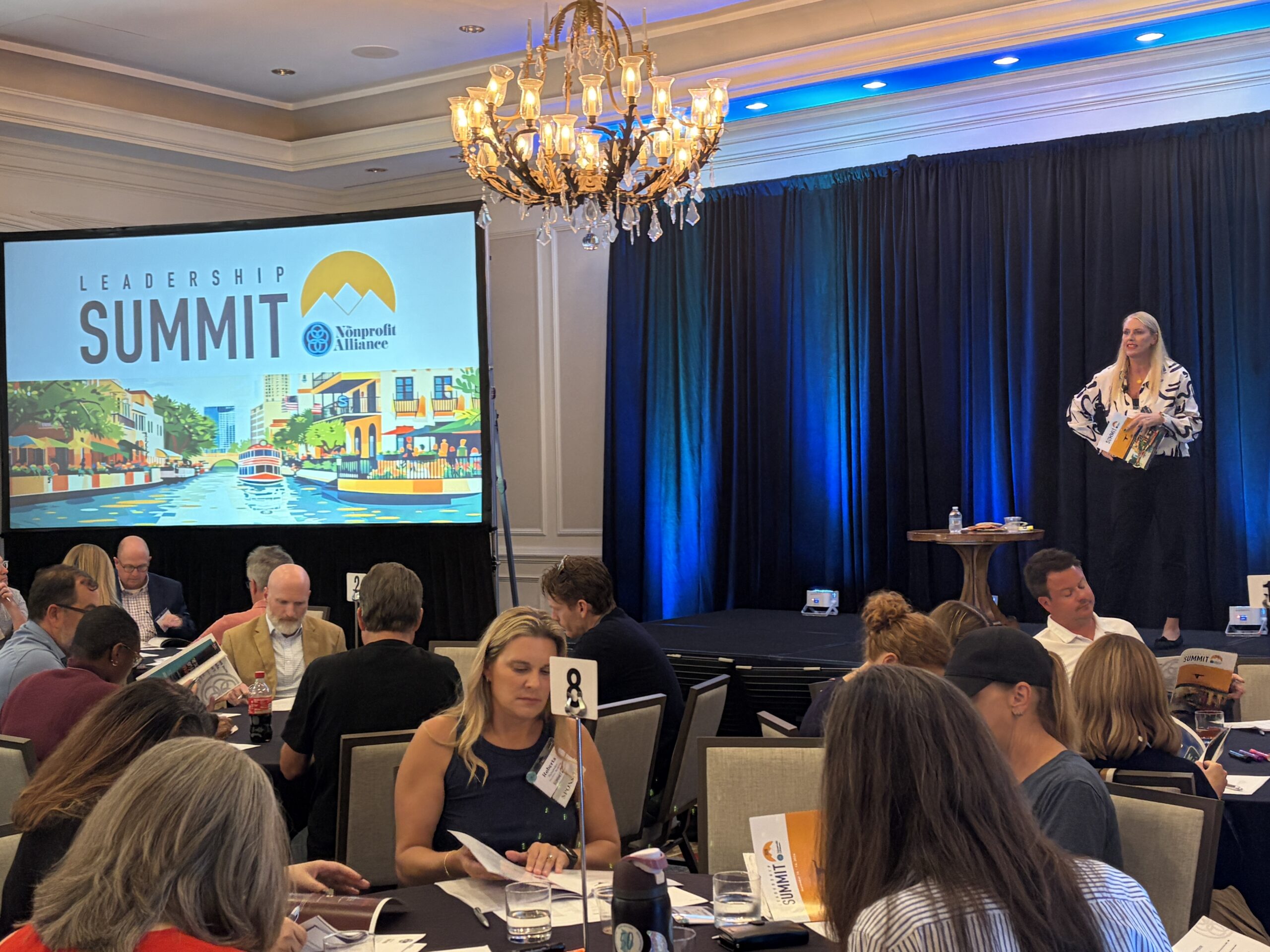
Building Leadership Clarity at TNPA’s Leadership Summit 2026
The team at The Nonprofit Alliance (TNPA) is thrilled to be in San Antonio, Texas, this week with more than 170 senior leaders from across the nonprofit sector. Against the backdrop of the beautiful Riverwalk, TNPA’s Leadership Summit 2026 has brought together a remarkable group of changemakers for an intensive, action-oriented experience designed to strengthen leaders, their teams, and the broader sector.

Leading EDGE Updates | August 2026
Check out our latest TNPA blog post for quarterly updates, including ways to get involved with our community of nonprofits, nonprofit-supporting companies, schools, and students who are passionate about making a difference through the social good sector!
Artificial Intelligence (AI) Policy Update
TNPA continues to work with policymakers regarding ethical AI priorities and we are closely tracking the implementation of the President’s AI plans.
We are also engaging our membership on educational opportunities as they navigate this fluid landscape, speaking with our nonprofit and commercial members regarding policy priorities which include…