
Meet the Summer 2026 Leading EDGE Interns!
After receiving hundreds of student applications, we are so excited to introduce you to Cohort #5 of The Nonprofit Alliance Foundation's (TNPAF) Leading EDGE Student Internship Program!
Check out our latest TNPA blog post for quarterly updates, including ways to get involved with our community of nonprofits, nonprofit-supporting companies, schools, and students who are passionate about making a difference through the social good sector!
The April 21st federal indictment of the Southern Poverty Law Center (SPLC) has sparked predictable responses along predictable lines. As the Chronicle of Philanthropy reported in an email last week, progressive organizations have rallied in defense. Conservative outlets have amplified the charges. And in the middle, where most of the nonprofit sector actually lives and works, there's silence.
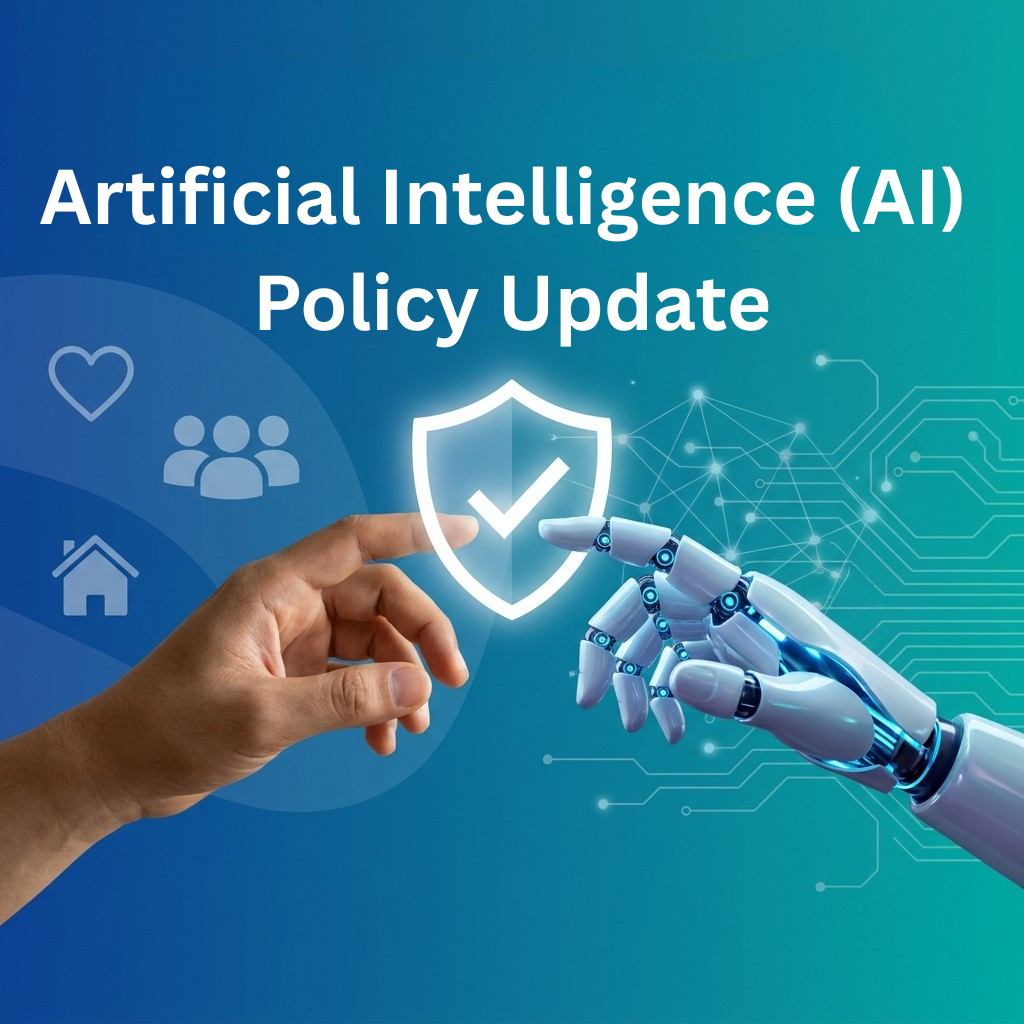
Artificial intelligence (AI) is rapidly transforming nonprofit business operations. AI provides great promise with respect to enhancing efficiency, optimizing workflows, analyzing data, and boosting productivity. At the same time, AI presents various legal, ethical, reputational, and other risks. A sound AI usage policy can enable a nonprofit organization to leverage the promise of AI without compromising work product integrity, disclosing privileged, confidential, or proprietary information, eroding its mission, jeopardizing its reputation, or subjecting the nonprofit to undue legal exposure. Leaders in the nonprofit community should consider the following practical advice when developing and implementing an AI usage policy for their organizations.
The panic is over. The policies are written. The staff are experimenting. And yet, for many of us, nothing fundamental has changed. That's the paradox we tackled in our April Leadership Lab: not whether to use AI, but what it actually takes to move from scattered experimentation to meaningful organizational impact.
On Friday, April 2, President Trump submitted his Fiscal Year 2027 budget request to Congress. While this document is a formal submission of the administration’s priorities, it does not reflect what Congress may ultimately approve. And the Department of Homeland Security (DHS) Fiscal Year 2026 remains unresolved, which adds another hurdle to a complicated appropriations process during a midterm election year.
It’s been six years since a global pandemic transformed the employment landscape for nonprofit organizations by cementing remote and hybrid work arrangements as an industry norm. While remote work presents many benefits relative to reduced real estate footprints, more manageable overhead costs, recruitment and retention advantages, and the promise of a better work-life balance, it also grafts expansive compliance obligations onto employers, which must comply with dozens (even hundreds) of employment laws in the various jurisdictions in which their employees reside and work. This article addresses legal, compliance, and practical issues and challenges facing a multi-jurisdictional nonprofit workforce.
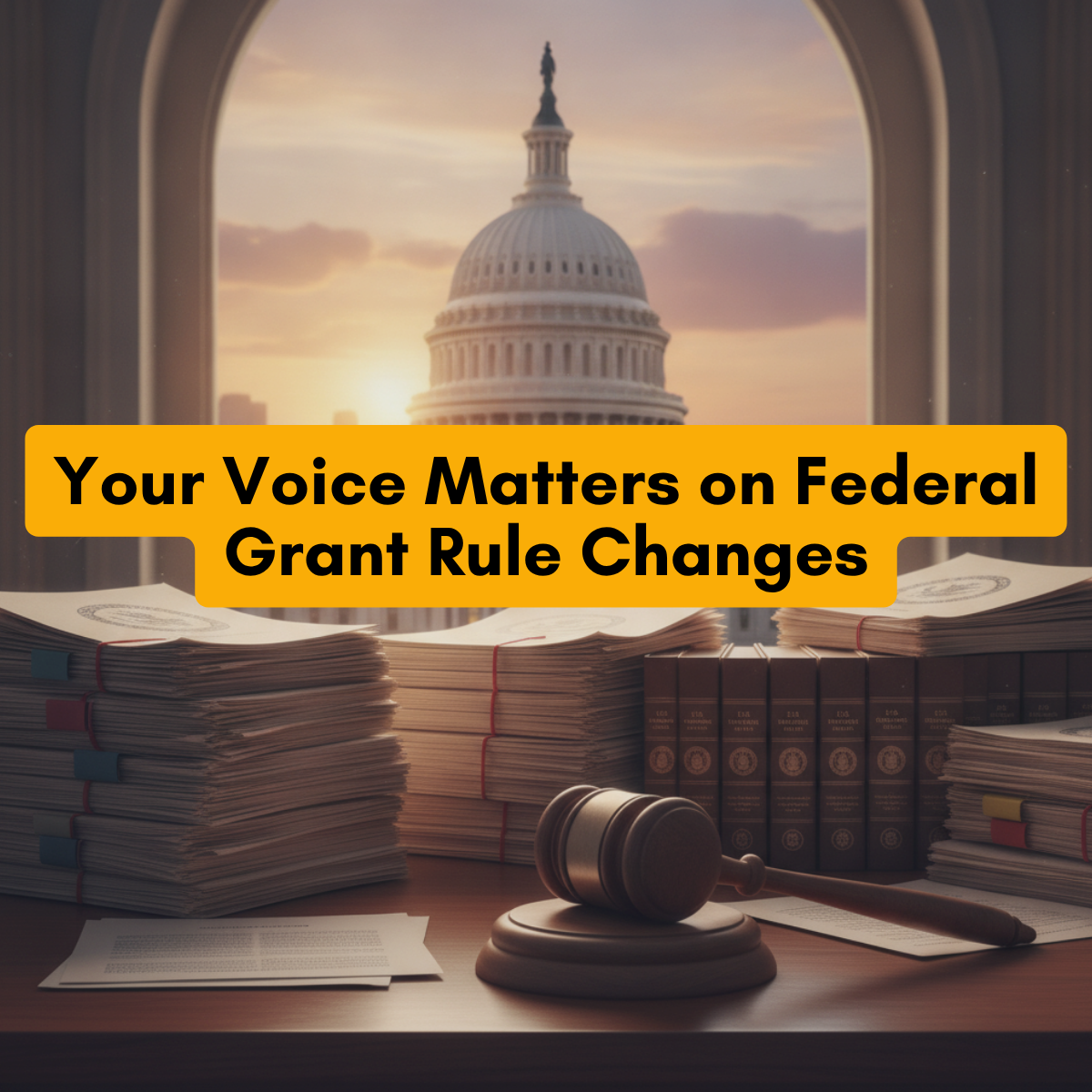
The nonprofit sector is facing one of its most challenging political climates in recent memory. The current administration, building on earlier threats to 501(c)(3) status, is proposing—and in some cases, implementing—changes that could restrict speech, cut funding, increase scrutiny of nonprofit programming, and limit fundraising opportunities. Amid these headwinds, new opportunities for visibility and advocacy are emerging regarding both the challenges and opportunities facing charitable organizations.
Leadership in the nonprofit sector has always demanded resilience, but the current landscape, marked by economic uncertainty, increased demand for services, and the pressure to do more with less, has pushed many leaders to what at times feels like a breaking point. In our March Leadership Lab, we tackled a topic that doesn't get discussed enough in leadership circles: the emotional toll of this work and what it costs us to keep showing up when we're running on empty.
There's a peculiar contradiction at the heart of nonprofit leadership: we are operating in one of the highest-risk environments most of us have witnessed in our careers, yet we perceive the sector as fundamentally risk-averse. This month's Leadership Lab explored that tension head-on, exploring the idea that the greatest risk many nonprofit leaders face isn't taking a bad risk … it's not taking enough good ones.