The Anatomy of a Healthy Fundraising Partnership
Fundraising partnerships between a nonprofit development team and its external agencies, suppliers, and service providers are designed to fuel the mission. When they fall short, both sides of the table feel it.
At the Nonprofit Fundraisers Symposium earlier this year, Raeshawn Crosson, Executive Director of DMAW, and I facilitated two concurrent roundtable discussions. We split the room: senior nonprofit fundraising leaders in one space; the agencies, consultants, service providers, and suppliers who work alongside them in the other.
What we heard across both rooms was strikingly consistent: partnerships designed to create impact can wind up creating friction instead.
On one side, nonprofit leaders face relentless pressure: increasing costs, pressing timelines, and expanding demands for unrestricted operational funding. On the other side, partner teams are stretched thin, absorbing urgency and reacting to shifting priorities.
The core takeaway: When partnerships break down, it’s not generally because of bad intent or incapable partners, but rather a drift into misalignment.
When we compared notes from both rooms, the symmetry was striking. Both groups described the same problem, experienced from opposite sides of the table.
Nonprofit leaders shared that:
- Outcomes fall short of what’s expected by their leadership teams from the financial (and sometimes emotional) investment.
- Deliverables are not always as clear, strategic, or immediately usable as expected.
- Managing the relationship takes more energy or resources than anticipated, especially as teams grow over time and more specialized firms are introduced to the mix.
Nonprofit leaders candidly reflected that sometimes the friction is internal, not external. Unclear organizational priorities, competing internal stakeholders, and limited staff capacity cannot be solved by hiring an outside firm, and no external partner can compensate for internal misalignment.
Agencies and corporate partners shared that:
- Client teams operate under immense organizational pressure, leading to constantly shifting priorities.
- Their own teams end up overextended and reactive, putting out fires rather than executing strategy.
- Scope creep happens more often than not as expectations and project boundaries expand.
Agency and consultant leaders admitted to taking on ever-expanding workloads without pausing to recalibrate scope or budget. Absorbing client stress without setting clear operational boundaries inevitably leads to overload, resentment, and compromised work.
Both rooms identified that misalignment around capacity, decision-making authority, and metrics are rarely addressed early. Teams wait until deadlines are missed or budgets are exhausted before naming the problem.
The encouraging news from our discussions was how much consensus existed around what healthy collaboration looks like. Real partnerships are not transactional; they are built on mutual accountability, transparency, and shared ownership.
Here is how successful teams report getting it right:
1. Level-Set Before Work Begins
Clarity at the starting line saves months of frustration later. Explicitly document what is in scope (and what is not), who holds final decision-making authority, and what concrete success looks like.
If you are entering an RFP process or preparing to evaluate new partners, The Nonprofit Alliance’s RFP Best Practices Guide provides a clear framework for setting these expectations from day one.
2. Align on Real Capacity, Not Just Ambition
Many scopes of work are designed around what an organization wishes it could do, rather than what internal staff can realistically support. Be honest about time, staffing, technology limitations, and budget constraints. Ambition without capacity isn’t a sustainable solution.
3. Build in Regular Checkpoints
Alignment is an ongoing practice. Establish scheduled, structured moments to revisit scope, evaluate progress, and give candid feedback before small friction points turn into major fractures.
4. Diagnose Before You Prescribe
When a project feels off track, pause and ask the right diagnostic question before assigning blame:
- Is this a scope definition issue?
- Is this a communication or workflow breakdown?
- Is this an internal alignment challenge on the nonprofit side?
- Or is this simply the wrong partner fit for this specific stage of growth?
Nonprofits and the strategic partners who support them are working toward the same objective: building resilient, mission-driven organizations making positive impact.
Right-sized partnerships with clear expectations, transparent boundaries, and continuous communication do more than reduce stress. They build the trust required to do our most meaningful work.
Want to participate in candid peer conversations like this? Registration for the 2027 Nonprofit Fundraisers Symposium is open. Join The Nonprofit Alliance and DMAW as we bring together senior nonprofit leaders and industry partners for collaborative, solutions-focused dialogue.

Author: Shannon McCracken
Shannon McCracken is the founding President and CEO at The Nonprofit Alliance.
Related Posts
Leading EDGE Updates | November 2026
Check out our latest TNPA blog post for quarterly updates, including ways to get involved with our community of nonprofits, nonprofit-supporting companies, schools, and students who are passionate about making a difference through the social good sector!
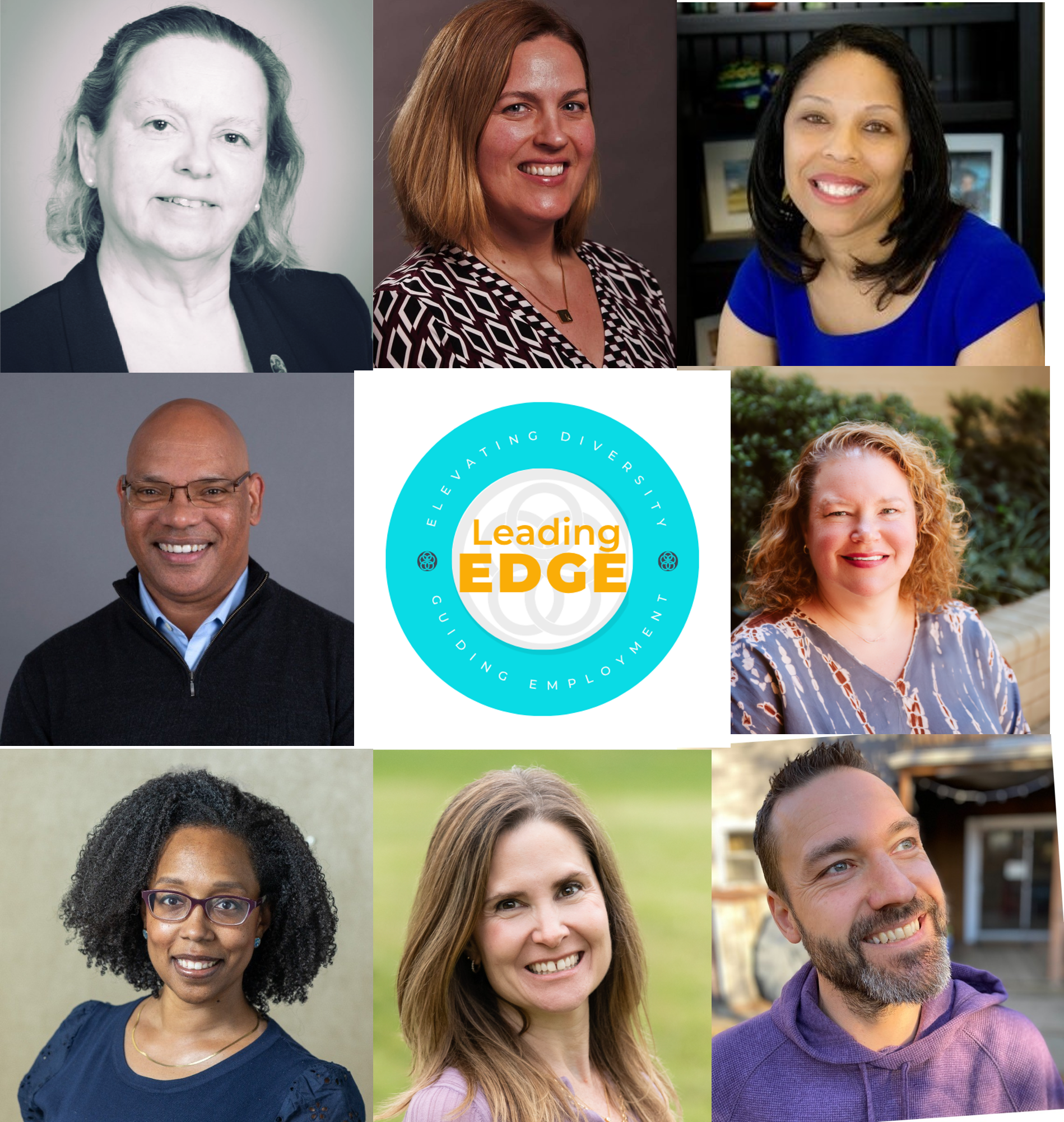
THANK YOU to Our Outgoing Steering Committee for 5 Years of Leading EDGE!
Since 2022, our Leading EDGE Student Internship Program has been making an impact, largely thanks to our Steering Committee.

TNPA at NASCO 2026: Advocating for a Smarter Path on Platform Fundraising Regulation
The National Association of State Charity Officials (NASCO) held its annual conference this fall, bringing together staff from Attorney General offices and other state regulatory bodies with select sessions open to the public. TNPA’s Regulatory Counsel, Robert Tigner, attended and participated in a panel titled “Platform Fundraising, Technology, and Oversight: What’s the Right Balance?”